


The Next Evolution of Heavy Duty Power
The Heavy Duty™ you trust, upgraded.

For Projects That Demand More
Designed to help new serger users build confidence from the very first project.
The Next Evolution of Heavy Duty Power
The Heavy Duty™ you trust, upgraded.

Bundle & Save
Shop your favorite Heavy Duty machines bundled with must-have accessories—all at a price that’s hard to beat.
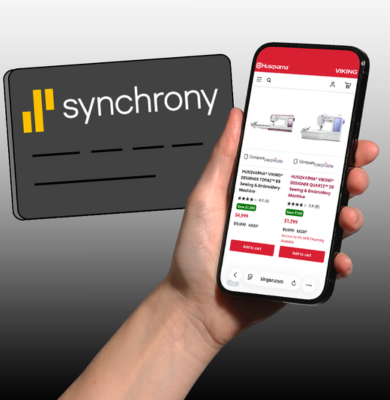
Special Financing
Available for up to 48 months† on qualifying purchases made with your Sewing & More credit card.

Machine Finder
Find the right machine for your project.

View All Machines
Sewing, Embroidery, Fabric Cutting machines and more!
Special Financing
Available for up to 48 months† on qualifying purchases made with your Sewing & More credit card.

Accessory Finder
Find the right accessory for your machine.
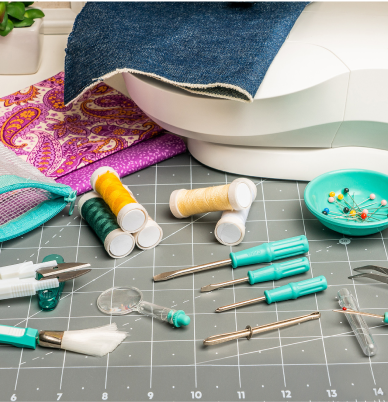
View All Accessories
Huge selection of sewing solutions and supplies.

Sew & Save
Shop Last Chance and Final Markdown machines at incredible prices.

Get Costume Ready
Shop deals on fabric and patterns all month long.

Scary Good Rewards Are Here
Earn 3X Points on every order and treat yourself to something new.
Special Financing
Available for up to 48 months† on qualifying purchases made with your Sewing & More credit card.
New

The Next Evolution of Heavy Duty Power The Heavy Duty™ you trust, upgraded.

For Projects That Demand More Designed to help new serger users build confidence from the very first project.
Heavy Duty
The Next Evolution of Heavy Duty Power The Heavy Duty™ you trust, upgraded.

Bundle & Save Shop your favorite Heavy Duty machines bundled with must-have accessories—all at a price that’s hard to beat.

Special Financing Available for up to 48 months† on qualifying purchases made with your Sewing & More credit card.
Sewing Machines

Machine Finder Find the right machine for your project.

View All Machines Sewing, Embroidery, Fabric Cutting machines and more!
Special Financing Available for up to 48 months† on qualifying purchases made with your Sewing & More credit card.
Fabric
Accessories

Accessory Finder Find the right accessory for your machine.
View All Accessories Huge selection of sewing solutions and supplies.
Deals

Sew & Save Shop Last Chance and Final Markdown machines at incredible prices.

Get Costume Ready Shop deals on fabric and patterns all month long.

Scary Good Rewards Are Here Earn 3X Points on every order and treat yourself to something new.
Special Financing Available for up to 48 months† on qualifying purchases made with your Sewing & More credit card.
Find Your Fit
Shopping cart


A fabric stabilizer is an essential extra for anyone interested in embroidery or detailed stitchwork. It helps keep the fabric stiff while stitching to avoid puckering or over-stretching for a stable, accurately finished piece.
You can buy a water-soluble stabilizer that dissolves once a garment is washed. This is ideal for when you cannot have a single speck of stabilizer remaining on your project.
Alternatively, you can invest in tear-away stabilizers. Available in adhesive and non-adhesive, these are often stiffer and stronger. They’re ideal for large projects or dense stitching where stability is paramount.
Not sure which fabric stabilizer works best for the projects you want to take on? Consider a stabilizer sampler pack with examples of several types. Try them all, and next time, you can invest in the one you prefer.


