


Tienda de preventa Consigue acceso exclusivo y anticipado a la nueva Smart Heavy Duty con función de bordado.

La próxima evolución de la potencia para trabajos pesados El Heavy Duty™en el que confías, ahora mejorado.

Para proyectos que exigen más Diseñada para ayudar a los nuevos usuarios de remalladoras a ganar confianza desde el primer proyecto.
Tienda de preventa Consigue acceso exclusivo y anticipado a la nueva Smart Heavy Duty con función de bordado.
La próxima generación de potencia para trabajos pesados. El Heavy Duty™ en el que confías, ahora mejorado.

Ofertas combinadas Compra tus Heavy Duty favoritas en un packque incluye accesorios imprescindibles, todo ello a un precio difícil de superar.

Financiación especial Disponible hasta 48 meses† para compras que cumplan los requisitos realizadas con tu tarjeta de crédito Sewing & More.
Tienda de preventa Consigue acceso exclusivo y anticipado a la nueva Smart Heavy Duty con función de bordado.

Buscador de máquinas Encuentre la máquina adecuada para su proyecto.

Ver todas lasmáquinas Máquinas de coser, bordar, cortar telas y mucho más.
Financiación especial Disponible hasta 48 meses† para compras que cumplan los requisitos realizadas con tu tarjeta de crédito Sewing & More.

Estampados de Halloween ¡Añade un toque de encanto espeluznante a tu proyecto con nuestros nuevos estampados de algodón de Halloween!

Prepárate para el disfraz Aprovecha las ofertas en telas y patrones durante todo el mes.

Favoritos de otoño ¡Descubre nuestros estampados favoritos de otoño y dale un toque acogedor a tu próximo proyecto!

Buscador de accesorios Encuentre el accesorio adecuado para su máquina.
Ver todos losaccesorios Amplia selección de soluciones y suministros para costura.

Cose y ahorra Compra máquinas de la sección «Última oportunidad» y «Rebajas finales» a precios increíbles.
Prepárate para el disfraz Aprovecha las ofertas en telas y patrones durante todo el mes.

Ofertas de otoño Encuentra todo lo que necesitas para tu próximo proyecto, con descuentos en determinadas máquinas, un 25 % de descuento en determinados accesorios y envío gratuito.
Financiación especial Disponible hasta 48 meses† para compras que cumplan los requisitos realizadas con tu tarjeta de crédito Sewing & More.
Buscador de máquinas Encuentre la máquina adecuada para su proyecto.
Buscador de accesorios Encuentre el accesorio adecuado para su máquina.

Tienda de preventa
Disfruta de acceso exclusivo y anticipado a la nueva Smart Heavy Duty con función de bordado.

La próxima evolución de la potencia para aplicaciones pesadas
El Heavy Duty™ en el que confías, ahora mejorado.

Para proyectos que exigen más
Diseñada para ayudar a los nuevos usuarios de remalladoras a ganar confianza desde el primer proyecto.
Tienda de preventa
Disfruta de acceso exclusivo y anticipado a la nueva Smart Heavy Duty con función de bordado.
La próxima evolución de la potencia para aplicaciones pesadas
El Heavy Duty™ en el que confías, ahora mejorado.

Combina y ahorra
Compra tus Heavy Duty favoritas junto con los accesorios imprescindibles, todo ello a un precio difícil de superar.

Financiación especial
Disponible hasta en 48 meses† en compras elegibles realizadas con su tarjeta de crédito Sewing & More.
Tienda de preventa
Disfruta de acceso exclusivo y anticipado a la nueva Smart Heavy Duty con función de bordado.

Buscador de máquinas
Encuentre la máquina adecuada para su proyecto.

Ver todas las máquinas
Máquinas de coser, bordar, cortar telas y mucho más.
Financiación especial
Disponible hasta en 48 meses† en compras elegibles realizadas con su tarjeta de crédito Sewing & More.

Láminas de Halloween
¡Añade un toque de encanto espeluznante a tu proyecto con nuestros nuevos estampados de algodón de Halloween!

Prepara tu disfraz
Aprovecha las ofertas en telas y patrones durante todo el mes.

Favoritos de otoño
¡Descubre nuestros estampados favoritos de otoño y dale un toque acogedor a tu próximo proyecto!

Buscador de accesorios
Encuentre el accesorio adecuado para su máquina.
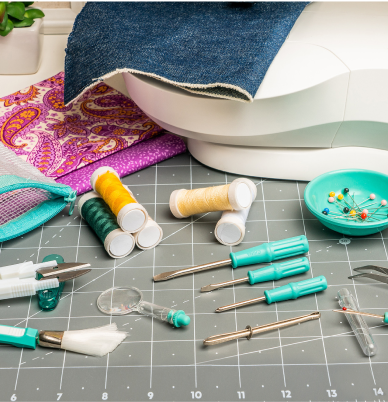
Ver todos los accesorios
Amplia selección de soluciones y suministros de costura.

Cose y ahorra
Compra máquinas en la sección «Última oportunidad» y «Rebajas finales» a precios increíbles.
Prepara tu disfraz
Aprovecha las ofertas en telas y patrones durante todo el mes.

Ofertas de otoño
Encuentra todo lo que necesitas para tu próximo proyecto, con descuentos en determinadas máquinas, un 25 % de descuento en determinados accesorios y envío gratuito.
Financiación especial
Disponible hasta en 48 meses† en compras elegibles realizadas con su tarjeta de crédito Sewing & More.
Buscador de máquinas
Encuentre la máquina adecuada para su proyecto.
Buscador de accesorios
Encuentre el accesorio adecuado para su máquina.
Nuevo
Tienda de preventa Consigue acceso exclusivo y anticipado a la nueva Smart Heavy Duty con función de bordado.
La próxima generación de potencia para trabajos pesados El Heavy Duty™en el que confías, ahora mejorado.
Para proyectos que exigen más Diseñada para ayudar a los nuevos usuarios de remalladoras a ganar confianza desde el primer proyecto.
De alta
Tienda de preventa Consigue acceso exclusivo y anticipado a la nueva Smart Heavy Duty con función de bordado.
La próxima generación de potencia para trabajos pesados El Heavy Duty™en el que confías, ahora mejorado.
Paquetes con descuento Compra tus máquinas Heavy Duty favoritas en paquetes que incluyen accesorios imprescindibles, todo ello a un precio difícil de superar.
Financiación especial Disponible hasta 48 meses† para compras que cumplan los requisitos y se realicen con tu tarjeta de crédito «Sewing & More».
de coser:
Tienda de preventa Consigue acceso exclusivo y anticipado a la nueva Smart Heavy Duty con función de bordado.
Buscador de máquinas Encuentra la máquina adecuada para tu proyecto.
Ver todas las máquinas ¡Máquinas de coser, bordar, cortar telas y mucho más!
Financiación especial Disponible hasta 48 meses† para compras que cumplan los requisitos y se realicen con tu tarjeta de crédito «Sewing & More».
Estampados de Halloween ¡Añade un toque de encanto espeluznante a tu proyecto con nuestros nuevos estampados de algodón de Halloween!
Prepárate para el disfraz Aprovecha las ofertas en telas y patrones durante todo el mes.
Favoritos de otoño ¡Descubre nuestros estampados favoritos de otoño y dale un toque acogedor a tu próximo proyecto!
Buscador de accesorios Encuentra el accesorio adecuado para tu máquina.
Ver todos los accesorios Amplísima selección de soluciones y materiales de costura.
Ofertas
Cose y ahorra Compra máquinas de la sección «Última oportunidad» y «Rebajas finales» a precios increíbles.
Prepárate para el disfraz Aprovecha las ofertas en telas y patrones durante todo el mes.
Ofertas de otoño Encuentra todo lo que necesitas para tu próximo proyecto, con descuentos en determinadas máquinas, un 25 % de descuento en determinados accesorios y envío gratuito.
Financiación especial Disponible hasta 48 meses† para compras que cumplan los requisitos y se realicen con tu tarjeta de crédito «Sewing & More».
Encuentre su ajuste
Buscador de máquinas Encuentra la máquina adecuada para tu proyecto.
Buscador de accesorios Encuentra el accesorio adecuado para tu máquina.
Hasta un 15 % de descuento en una selección de telas >
Oferta por tiempo limitado; se aplican exclusiones
Cesta de la compra 1)
Elegir tu primer proyecto de bordado puede resultar abrumador. Aunque el bordado no cuesta mucho ni es demasiado exigente, es posible que te preguntes: «¿Por dónde empiezo?». Con más de 15 ideas de bordado aptas para principiantes, las máquinas fáciles de usar de SINGERte permiten diseñar piezas impresionantes.
¿Por qué estos proyectos son ideales? para empezar
¿Qué caracteriza a los proyectos de bordado fáciles? Los diseños sencillos se basan en un número reducido de puntadas básicas. Los proyectos para principiantes suelen limitarse a puntadas sencillas, como la puntada atrás. A continuación se indican algunos aspectos clave que hay que tener en cuenta al empezar.
Material básico Para iniciar proyectos para principiantes
Empieza con unos cuantos materiales fáciles de encontrar.
¿Qué es lo que necesitarás
Para empezar un proyecto de bordado, elige la tela. Aquí tienes algunos consejos:
Herramientas imprescindibles
Tu kit de herramientas debería incluir estos elementos básicos:
Plantéate hacerte con una caja de almacenamiento sencilla y un organizador de hilos para ayudarte a ordenar tus materiales.
Artículos que puedes dejar de comprar por ahora
Evita comprar productos especiales caros. no necesitarás este tipo de herramientas o materiales de inmediato.
Céntrate en lo esencial, ya que es lo importante. Para empezar, necesitas una aguja, hilo, tela y tijeras. Las máquinas de SINGER ya incluyen la mayor parte del material básico que necesitarás.
Ideas de bordados para la cocina y el comedor
Paños de cocina
Servilletas de tela
Agarradores de ollas
Adornos para delantales
Proyectos de bordado para uso personal
Bolsa
Bordes de fundas de almohada
Toallas de mano
Bolsas con cremallera
Proyectos de bordado para bebés y niños
Baberos para bebés
Pañuelos para eructos
Etiquetas para ropa infantil
Proyectos de bordado para la decoración del hogar
Fundas para cojines decorativos
Aros decorativos para la pared
Bordados para moda y complementos
Parches para chaquetas o vaqueros
Calcetines o zapatillas
Proyectos rápidos para regalar con bordados
Marcapáginas bordados
Plan de aprendizaje progresivo
Un plan de bordado claro te ayuda a hacer un seguimiento de tus progresos a medida que vas mejorando. Aquí te explicamos cómo desarrollar y mejorar tus habilidades.
Semanas 1-2: Introducción al bordado básico
Semanas 3-4: Perfeccionamiento de habilidades
Mes 2: Desarrolla tus habilidades
A partir del tercer mes: Explora tu creatividad
Señales de que estás listo para dar un paso adelante
Descubre las funciones avanzadas de la máquina « SINGER »
Consejos prácticos para alcanzar el éxito
Tu aventura en el mundo del bordado comienza incluso antes de dar la primera puntada.
Primero, practica
Prepárate
Elige el diseño perfecto para tu primer intento
Consejos para practicar el «hooping»
Cuida tu máquina
Roscas de los tiradores
Entonces, cuando hayas termines, aquí tienes algunos consejos.
Conclusión
Cada proyecto enseña algo
Solucionar problemas para principiantes
Arrugas en la tela
Rotura de hilos
Patrones desalineados
Hilos enredados (nido de pájaros)
Dónde encontrar patrones aptos para principiantes
Descubre diseños gratuitos y económicos.
Patrones preinstalados
Opciones de diseño gratuitas
Diseños de pago asequibles
Formatos de archivo
Lo que hay que saber sobre los tamaños de diseño
Cómo convertir tus proyectos en regalos con sentido
La gente atesorará durante mucho tiempo los regalos bordados.
Mejorar los proyectos para principiantes
Añadir pequeños toques finales para convertir las piezas de práctica en regalos bien pensados.
Cuándo regalar proyectos de bordado para principiantes
Los regalos bordados a mano son perfectos para muchas ocasiones y aportan un toque personal.
Ideas para la personalización
Ideas para regalos
Conexión de proyectos a máquinas « SINGER »
SINGER Las máquinas de bordar son ideales para cualquiera de los proyectos para principiantes que hemos comentado. Las funciones de estas máquinas simplifican el proceso creativo.
Enhebrado automático de la aguja
El enhebrado automático de la aguja está diseñado para eliminar la frustración que supone enhebrar manualmente el ojo de la aguja. Está disponible en los siguientes modelos de SINGER :
Bibliotecas de diseño integradas
SINGER Estas máquinas son perfectas para todos los proyectos mencionados anteriormente. SINGER Los modelos que cuentan con las bibliotecas más completas son:
Se incluyen aros de varios tamaños
Vas a probablemente necesitarás un cierto grado de versatilidad, con 4x4 para proyectos pequeños y 5x7 para proyectos medianos. Entre los modelos de SINGER que ofrecen flexibilidad con varios bastidores se incluyen:
Interfaces aptas para principiantes
La sencillez de la pantalla táctil ofrece modos de tutorial en algunos modelos. Entre los modelos más fáciles de usar de SINGER se incluyen:
Funciones de configuración rápida
¿Qué máquina « SINGER » es la más adecuada para estos proyectos?
Todos los proyectos de esta guía son perfectos para la gama de productos de SINGER, pensada para principiantes. Descubre SINGER las máquinas de la marca – son la opción ideal.
Empieza hoy mismo
Vamos a a dar los primeros pasos en tu aventura con el bordado. Tu plan de acción empieza aquí.
Paso 1: Elige tu proyecto
Elige algo sencillo de nuestras secciones de cocina o de artículos personales. Reúne los materiales o pide artículos ya preparados para empezar.
Paso 2: Preparar
Prepárate para empezar tu proyecto en un espacio de trabajo bien iluminado. Echa un vistazo a los vídeos tutoriales de SINGER para comprender cómo funciona la máquina funciona. A continuación, practica cómo colocar la tela en el bastidor con retales.
Paso 3: Crear
Comprueba la estabilidad de la tela y la tensión del hilo. Disfruta cuando termines tu proyecto.
Paso 4: Compilar
La práctica hace al maestro, así que vuelve a hacer el mismo proyecto. La repetición es la clave.
Estás desarrollando las habilidades que necesitarás para tu próximo proyecto.
Necesito una máquina para empezar?
SINGER Fabrica máquinas excelentes, ideales para principiantes, con diseños incorporados que te permiten empezar a crear de inmediato. Encuentra tu máquina de bordar SINGER perfecta y empieza a crear preciosos artículos bordados hoy mismo.
Preguntas frecuentes
Pregunta 1. ¿Qué proyectos de bordado son fáciles de hacer?
Entre los proyectos de bordado aptos para principiantes se incluyen paños de cocina sencillos, marcapáginas personalizados, parches bordados para la ropa, toallas de mano decorativas y cojines pequeños.
Pregunta 2. ¿Qué materiales básicos necesito para empezar a bordar?
Necesitas hilo de bordar, un rotulador de marcado soluble en agua, tela y agujas.
Pregunta 3. ¿Cómo puedo conseguir que mis proyectos de bordado para principiantes sean aptos para regalar?
Céntrate en los acabados. Corta el hilo sobrante, añade los detalles personalizados, plancha la prenda y empaquétala con cuidado para demostrar que has dedicado tiempo y esmero al regalo.
Pregunta 4. ¿Qué características debo tener en cuenta a la hora de elegir una máquina de bordar apta para principiantes?
Quieres controles intuitivos, a ser posible con una pantalla táctil a color y una selección de diseños preinstalados.
Pregunta 5. ¿Cómo mejoras tus bordados?
Lleva un seguimiento de tu progreso, anotando lo que has aprendido. Aprende con cada nuevo proyecto.
Atrévete con proyectos de bordado aptos para principiantes
Bordar resulta mucho más fácil cuando descubres los numerosos proyectos aptos para principiantes. Pasar de ser principiante a convertirse en un experto en bordado es un proceso que se va desarrollando puntada a puntada. Todos los proyectos se pueden realizar con las máquinas para principiantes de SINGER, así que empieza tu proyecto hoy mismo. Encuentra tu SINGER máquina de bordar y empieza a crear.


