How to choose a sewing machine
The best sewing machine is the one that fits what you sew most. Start with your main project, then match the features to it. If you are not sure yet, a versatile machine with a good range of stitches will cover most needs.
- Beginner: look for easy threading, a drop-in bobbin, a few reliable stitches and adjustable stitch length.
- Quilting: look for a wide workspace (throat space), a walking foot or even-feed system and speed control.
- Garments and alterations: look for utility stitches, several buttonhole styles and a free arm for sleeves and cuffs.
- Crafts and home décor: look for a strong motor, adjustable presser foot pressure and the ability to handle thicker fabric.
- Heavy fabrics such as denim and canvas: choose a heavy duty machine with a metal frame and higher piercing power.
Popular models at a glance
Beginner and mending | SINGER® M1000 Mending Machine, SINGER® M1500 Sewing Machine, SINGER® Simple 3337 Sewing Machine | Simple controls, light projects
Everyday and heavy duty | SINGER® Heavy Duty 4511™ Next Evolution Sage Green Sewing Machine, SINGER® Heavy Duty 4523™ Next Evolution Beige Sewing Machine, SINGER® Heavy Duty 4532™ Next Evolution Charcoal Sewing Machine, SINGER® Heavy Duty 4552™ Next Evolution Charcoal Sewing Machine, SINGER® Heavy Duty 6600C Computerized Sewing Machine | Denim, canvas, garments, repair
Sewing and quilting | SINGER® C5980Q Patchwork Plus Sewing & Quilting Machine with Extension Table | Wider workspace, quilting feature
Feature-rich sewing | HUSQVARNA® VIKING® ONYX™ 25 Sewing Machine, HUSQVARNA® VIKING® EMERALD™ 116 Sewing Machine and HUSQVARNA® VIKING® EMERALD™ 118 Sewing Machine, HUSQVARNA® VIKING® OPAL™ 650 Sewing Machine and HUSQVARNA® VIKING® OPAL™ 670 Sewing Machine | Garments, home décor, quilting
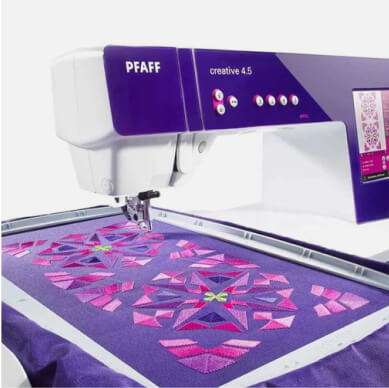
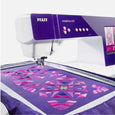
Sewing and embroidery | SINGER® Smart Heavy Duty 9120™ Sewing and Embroidery Machine, HUSQVARNA® VIKING® DESIGNER QUARTZ™ 29 Sewing & Embroidery Machine | One machine for seams and designs
Mechanical vs computerized sewing machines
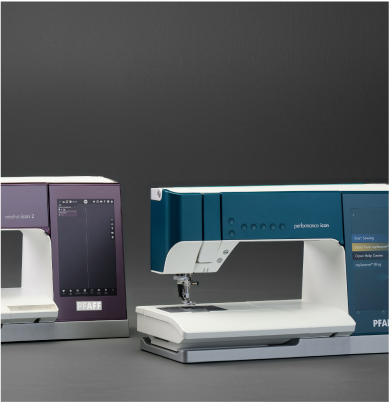
Mechanical machines use dials and levers to select stitches and adjust settings. They are simple, durable and easy to learn on, and they are a good choice for straightforward sewing and repairs. Computerized machines use buttons or a touchscreen and add more built-in stitches, automatic needle threading, stitch memory and often an LCD display. Choose computerized if you want more stitch choices, precision and convenience features, and mechanical if you value simplicity.
Sewing machines by brand
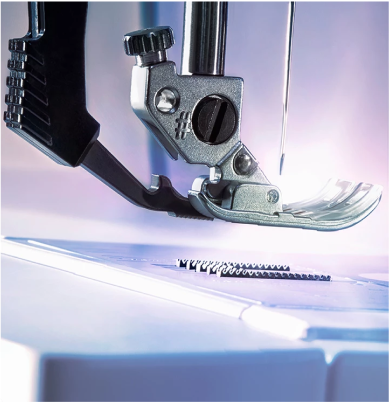
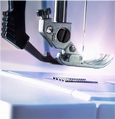
SINGER® machines are known for approachable, dependable sewing, including the Heavy Duty line for thick fabrics. PFAFF® machines are known for the IDT™ (Integrated Dual Feed) system, which feeds fabric evenly from the top and bottom for smooth results on layers and slippery fabrics. HUSQVARNA® VIKING® machines focus on advanced features and creative sewing.
What to check before you buy
Think about the stitches you will actually use, not the largest number on the box. Check which presser feet and accessories are included, the size and weight of the machine if you will carry it, and the warranty and service options. If you also want to embroider, consider a combination machine. A bigger workspace helps with quilts and large projects, and a free arm makes sleeves, cuffs and trouser hems easier.
Getting started once you have your machine
A few basics make the first projects easier. Use a new needle that suits your fabric, wind a few bobbins before you begin and test your stitch on a scrap first. Add the presser feet you need, such as a zipper foot or a walking foot, and keep your machine clean by removing lint from the bobbin area regularly.
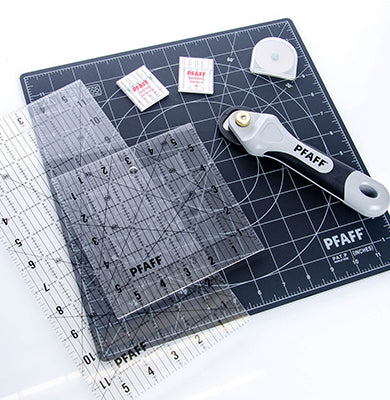
Not sure which machine fits? Use the Machine Finder to match a machine to your projects, or find a store near you to try one in person. For accessories, browse sewing accessories, presser feet and needles.