Choosing the right scissors for sewing
Sharp, well-made scissors give clean cuts and protect your fabric. Using the right pair for each job keeps edges from fraying and makes cutting faster and more accurate. Reserve your fabric shears for fabric only, because cutting paper dulls the blades quickly.
Types of sewing scissors
- Dressmaker shears: long blades with an angled handle that let the fabric stay flat on the table while you cut.
- All-purpose scissors: a versatile pair for general crafting and household use.
- Embroidery scissors: small, pointed blades for trimming threads close to the stitching.
- Pinking shears: zigzag blades that finish raw edges and reduce fraying.
- Thread snips: quick cuts at the machine, small enough to keep nearby.
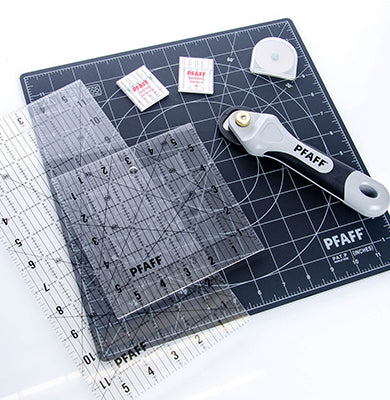
- Rotary cutters: a wheel blade used with a cutting mat for straight lines and curves, popular for quilting.
What to look for
- Blade length: longer blades suit large pieces of fabric, shorter blades give control for detail work.
- Handle comfort: a cushioned grip and a size that fits your hand reduce fatigue during long cutting sessions.
- Right-handed and left-handed options: matched handles make cutting more comfortable and accurate.
- Blade material: hardened steel stays sharp longer.
Match scissors to your project
Garment sewing calls for sharp shears and a good cutting surface. Quilting often pairs a rotary cutter with a mat and ruler. Embroidery benefits from fine-point scissors that trim jump stitches without cutting the fabric.
Care and storage
- Wipe blades clean after use.
- Store scissors closed and in a dry place.
- Keep fabric scissors separate from paper scissors.
- Have blades sharpened when they begin to snag or fold the fabric.
- Avoid dropping them, since a hard impact can misalign the blades.
Pair scissors with other cutting tools
Seam rippers, rulers, cutting mats and marking pens help you cut and mark with precision. A rotary cutter and mat make quick work of squares and strips, and a clear ruler keeps cuts square.
Safe handling
Keep blades closed when not in use, hand scissors to others handle first, and store rotary cutters with the blade guard on.
Check compatibility first
Parts and accessories differ by brand, model and machine type. Look up your model number, check the product description for compatible machines, and consult your manual if you are unsure. Choosing the right fit protects your machine and gives better stitching results.
Explore sewing tools and essentials, notions and presser feet to build a complete sewing kit.