


Save Over $120!
The HUSQVARNA® VIKING® Quilting Kit provides a premium assortment of must-have accessories for quilters.

View all accessories
Take your creation to new heights with the perfect accessory.

Budget Friendly Machines
Affordable, dependable, and built to inspire— now starting at $419!

Free Gift with Sapphire 930
Save on a new Sapphire 930 Sewing Machine and receive a free roller bag with purchase!
We'll Help You Decide
Don't know how to choose? Shop our gift guide–we're here to help.

Accessories Finder
Quickly find the presser feet, bobbins, and sewing essentials made to fit your machine.

Machine Finder
It's now quick and easy to find a sewing machine that matches your personal preferences, must-have features, and project needs.
Sewing Machines
Accessories

Save Over $120! The HUSQVARNA® VIKING® Quilting Kit provides a premium assortment of must-have accessories for quilters.

View all accessories Take your creation to new heights with the perfect accessory.
Deals

Budget Friendly Machines Affordable, dependable, and built to inspire— now starting at $419!

Free Gift with Sapphire 930 Save on a new Sapphire 930 Sewing Machine and receive a free roller bag with purchase!
Find Your Fit
We'll Help You Decide Don't know how to choose? Shop our gift guide–we're here to help.

Accessories Finder Quickly find the presser feet, bobbins, and sewing essentials made to fit your machine.

Machine Finder It's now quick and easy to find a sewing machine that matches your personal preferences, must-have features, and project needs.
Shopping cart
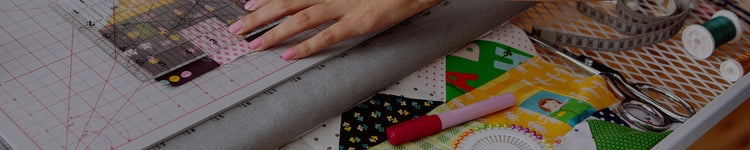


Bring your most intricate quilt designs to life with our comprehensive selection of high-quality quilting supplies. We stock everything a quilter needs, from the foundational tools to the finishing touches, all from the brands you know and trust. Achieve perfect precision with our wide array of rotary cutters, self-healing cutting mats, and specialty quilting rulers. Explore a full spectrum of quilting thread, durable batting, and essential notions like pins, clips, and thimbles. Whether you're piecing blocks, free-motion quilting, or binding your project, you'll find the perfect tools and accessories right here.


