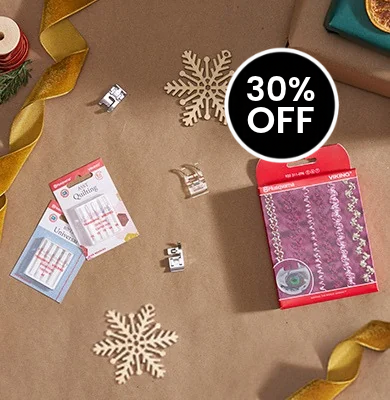
30% off Accessories
The little things that make a big difference. Save 30% on HUSQVARNA VIKING accessories & notions.
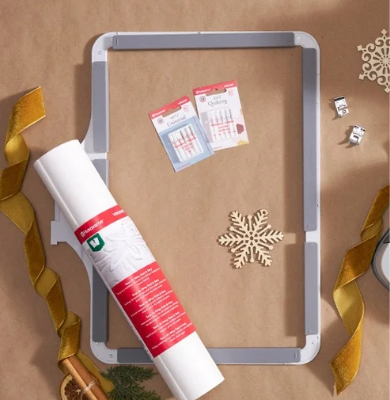
Accessories Finder
Quickly find the presser feet, bobbins, and sewing essentials made to fit your machine.

Gift Guide
Don't know how to choose? Shop for the perfect gift this holiday season.
Accessories Finder
Quickly find the presser feet, bobbins, and sewing essentials made to fit your machine.
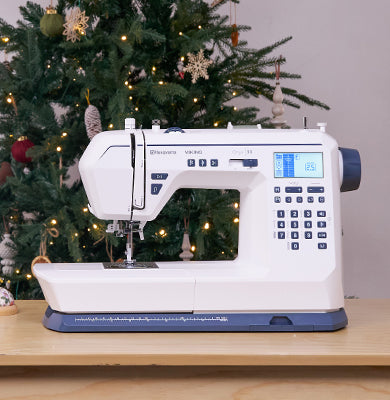
Machine Finder
It's now quick and easy to find a sewing machine that matches your personal preferences, must-have features, and project needs.
Sewing Machines
Accessories
30% off Accessories The little things that make a big difference. Save 30% on HUSQVARNA VIKING accessories & notions.
Accessories Finder Quickly find the presser feet, bobbins, and sewing essentials made to fit your machine.
Deals
Gift Guide

Gift Guide Don't know how to choose? Shop for the perfect gift this holiday season.
Accessories Finder Quickly find the presser feet, bobbins, and sewing essentials made to fit your machine.
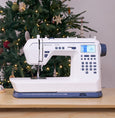
Machine Finder It's now quick and easy to find a sewing machine that matches your personal preferences, must-have features, and project needs.
BLACK FRIDAY SALE HAPPENING NOW >
November 20-29
30% OFF ACCESSORIES & NOTIONS >
Applies to HUSQVARNA VIKING Accessories.
Shopping cart


HUSQVARNA® VIKING® 4in/10.2cm Micro Tip Curved Blade Scissor

HUSQVARNA® VIKING® Seam Ripper With 3 Replacement Blades


HUSQVARNA® VIKING® 3.5in/8.9cm Curved Embroidery Scissor


HUSQVARNA® VIKING® 6in/15.2cm Double Curved Embroidery Scissor


HUSQVARNA® VIKING® 4.5in/11.4cm Opposable Curved Tweezer

HUSQVARNA® VIKING® 8in/20.3cm Bent Trimmer Scissor

PFAFF® 4in/10.2cm Micro Tip Curved Blade Scissor